What you actually need for the Masai Mara
The good news is that you do not need a completely different wardrobe for a safari. The better news is that the Masai Mara is one of those trips where packing less can actually make your life easier.
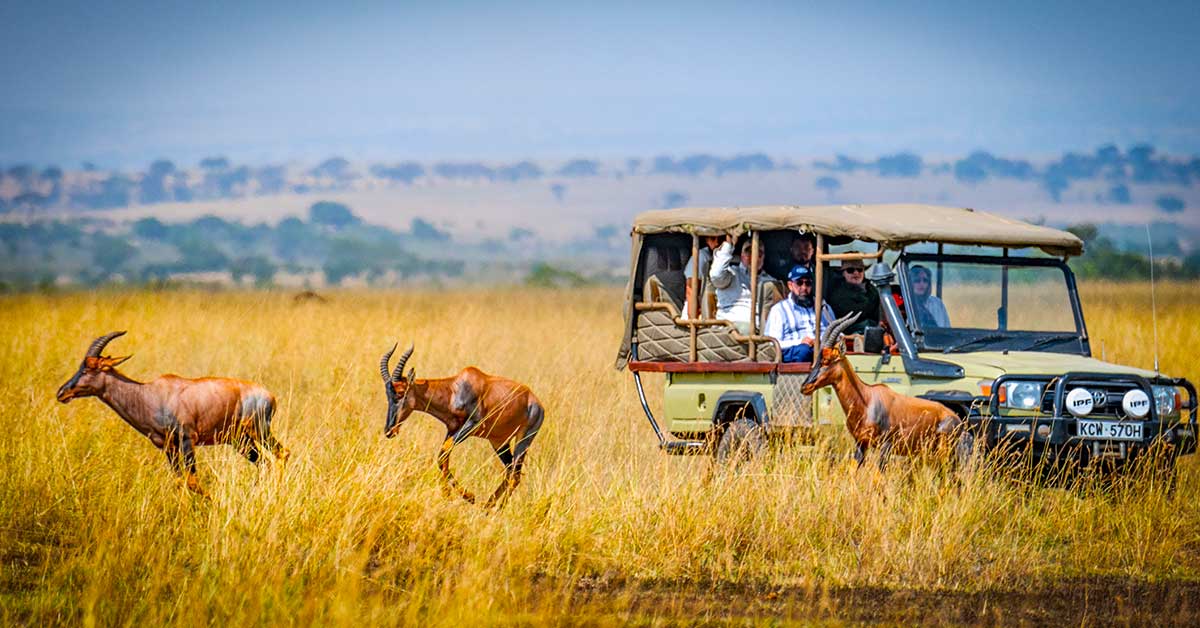
You spend most of your time sitting in a safari vehicle, not hiking through the bush for hours. That means you do not need five pairs of technical trousers, heavy trekking boots or an enormous suitcase full of safari equipment.
What you do need is clothing that works across several temperatures, protection from the sun and insects, comfortable shoes, a warm layer for early game drives and the equipment that will make it easier to actually see and photograph wildlife.
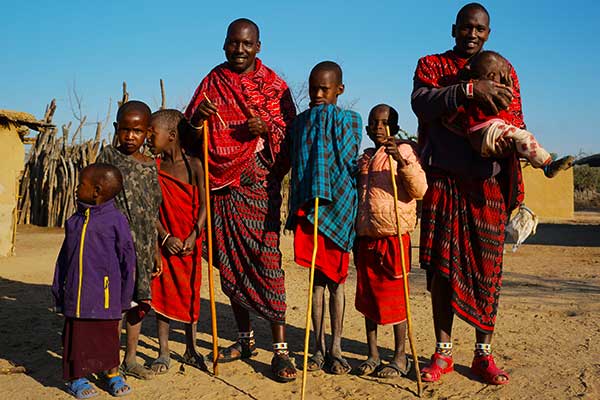
Clothing · Essential
Lightweight layers
T-shirts, lightweight trousers, a long-sleeve shirt and one warm layer will cover most game drives.
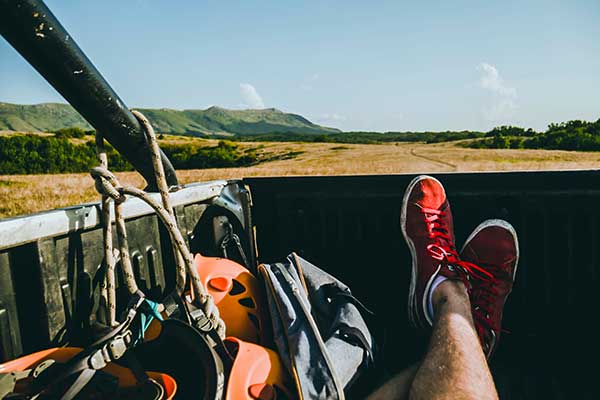
Footwear · Essential
Comfortable shoes
You do not need expedition boots for ordinary game drives. Comfortable closed shoes are usually enough.
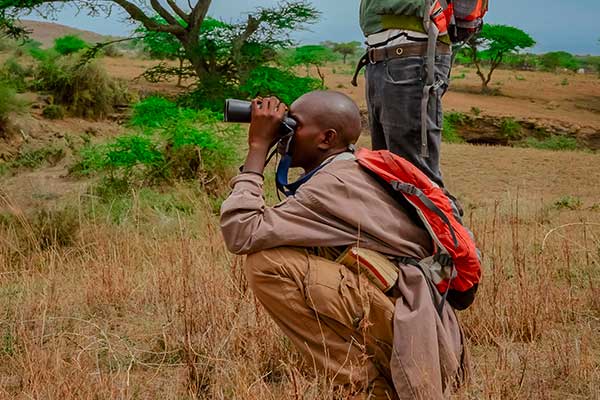
Photography · Highly recommended
Camera + binoculars
Wildlife can be surprisingly far away. Binoculars and a telephoto lens can completely change the experience.
Protection · Essential
Sun protection
Hat, sunglasses and sunscreen matter more than you might expect when you spend hours exposed in an open vehicle.
Safari clothes: what to wear in the Masai Mara
You do not need to dress like you are starring in a safari campaign. The best safari clothes are simply lightweight, comfortable and practical.
Neutral colours are a sensible choice, particularly if you will be walking in the bush. Beige, khaki, olive, brown and other muted colours are easy to wear and do not stand out against the landscape.
Kenya's official tourism guidance also recommends casual, lightweight and comfortable clothing, with neutral colours for walking safaris and game viewing on foot. It specifically advises avoiding white, bright or vividly patterned clothing for these activities. :contentReference[oaicite:1]{index=1}
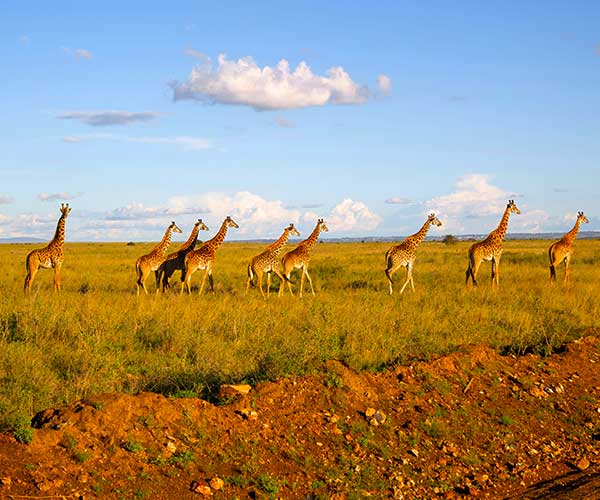
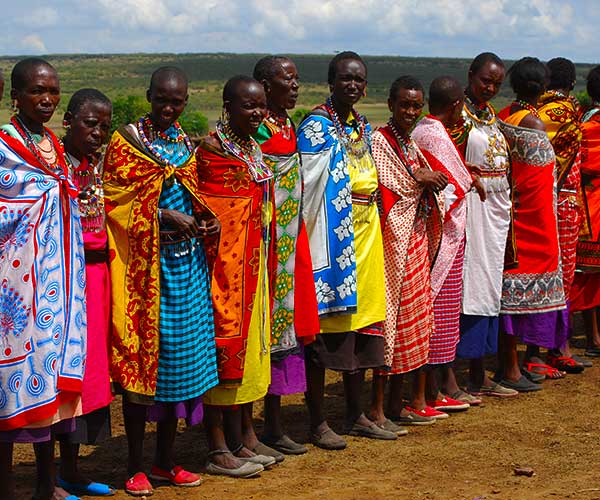
Neutral, lightweight clothing is practical for safari — but you do not need a head-to-toe safari uniform.
My basic safari clothing list
For a typical four-to-seven-day safari, I would rather repeat a few useful pieces than overpack:
- 3–4 lightweight T-shirts or tops
- 2 pairs of lightweight trousers
- 1 pair of comfortable shorts
- 1–2 long-sleeve shirts
- 1 fleece, jumper or lightweight jacket
- 1 lightweight rain jacket
- Underwear and socks
- Sleepwear
- Swimwear if your lodge has a pool
- One slightly smarter outfit if your accommodation calls for it
If your lodge offers laundry, you can reduce this even further. Some safari camps and lodges provide laundry services, although you should check whether underwear is included before relying on it.
Don't overpack clothes
Safari photography makes it look as though everyone owns an entire khaki wardrobe. You don't. A few breathable basics that can be layered and repeated are much more useful than a different outfit for every game drive.
Why layers matter more than you think
One of the biggest packing mistakes for the Masai Mara is assuming that Kenya equals hot weather all day.
A typical game drive can begin before sunrise, when you are sitting in an open vehicle moving through the landscape. That combination of early-morning temperatures and wind can feel genuinely cold.
A few hours later, the sun can be strong and you may be very glad you wore a lightweight shirt rather than a heavy jacket.
The solution is simple: layers.
My ideal early-morning safari layers
- BaseLightweight T-shirt
- MiddleLong-sleeve shirt
- Warm layerFleece or lightweight jacket
- BottomLong lightweight trousers
- HeadWarm hat if travelling in cooler months
- LaterRemove layers as the temperature rises
A compact scarf or buff can also be surprisingly useful when the vehicle is moving quickly through dusty areas.
What shoes should you pack for the Masai Mara?
This is another area where safari marketing can make people overprepare.
If your itinerary consists mainly of game drives, you do not need huge hiking boots. A comfortable pair of closed walking shoes, trainers or lightweight hiking shoes is normally much more practical.
If you are doing a walking safari, longer guided walks or combining the Masai Mara with a trekking destination, your footwear requirements change. In that case, stronger hiking footwear makes more sense.
One thing I would skip
Do not bring brand-new shoes to Africa. Whatever you choose, wear them before the trip. The last thing you want is a blister appearing during your first sunrise game drive.
What about sandals?
A pair of sandals can be useful around the lodge, especially during warm afternoons or by the pool. I simply would not make them your main safari footwear.
Dust, insects, uneven ground and occasional walking around camp all make a closed shoe the more versatile option.
Sun, dust and insects: the things you will notice every day
You can have the most beautiful safari wardrobe in the world and still have an uncomfortable day if you forget the basics.
The combination of strong sun, dust and insects means three things should be permanently accessible in your day bag: sunscreen, sunglasses and insect repellent.
01 · Sun
Sunscreen
You may spend several hours exposed to the sun without realising it, particularly in an open vehicle.
02 · Insects
Repellent
Bring a good insect repellent and use it according to the product instructions, especially around dawn and dusk.
03 · Dust
Sunglasses
Sunglasses protect your eyes from the strong light and can make dusty drives much more comfortable.
04 · Heat
Reusable bottle
Staying hydrated matters during long drives. Your camp or guide will usually advise you on drinking-water arrangements.
A wide-brimmed hat is particularly useful because it protects your face, neck and ears better than a small cap. Kenya's official travel guidance specifically recommends wide-brimmed hats alongside sunglasses and sunscreen.
Camera gear: what is actually worth bringing
If wildlife photography is one of the reasons you are going to the Masai Mara, this is where I would spend more time planning.
Animals are not always close to the vehicle. A lion may be resting several metres away, an elephant may be across a river, or a leopard may be hidden in a tree. Your phone can capture the memory, but optical zoom makes a huge difference.
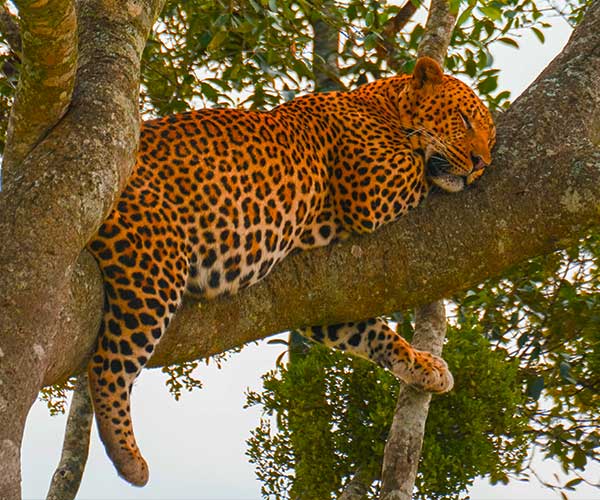
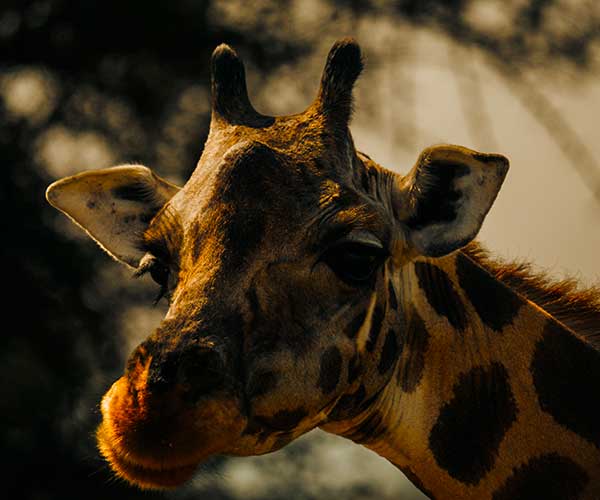
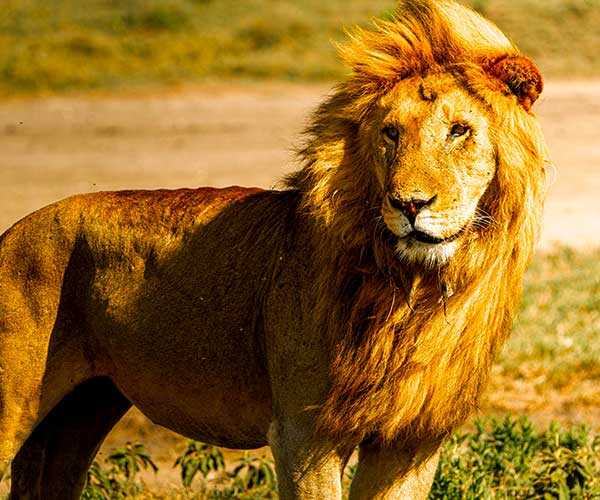
The animals decide the distance — so having enough optical reach matters much more than having the fanciest camera body.
My safari photography essentials
- Camera body
- Telephoto or zoom lens
- Extra batteries
- Memory cards
- Battery charger
- Lens cleaning cloth
- Small camera bag
- Phone as a backup camera
- Power bank
Protect your camera from dust
The Mara can be dusty, especially on dry roads and during vehicle movement. Keep your camera protected when you are not actively shooting and clean the lens regularly with a proper lens cloth or blower.
Binoculars: the one thing I would not skip
If I had to choose between bringing an extra outfit and bringing binoculars, I would bring the binoculars.
You may see a pride of lions that looks close to the naked eye but is actually much farther away than you think. Binoculars also make birds, distant elephants, giraffes and animals hidden in vegetation much easier to appreciate.
Kenya's official tourism packing guidance specifically recommends bringing a good-quality pair of binoculars for effective game viewing. :contentReference[oaicite:3]{index=3}
What to look for in safari binoculars
- Magnification8x or 10x are practical choices
- WeightKeep them comfortable to carry
- FocusEasy adjustment matters
- DurabilityDust and travel resistant is useful
- SharingOne pair per person is ideal
Toiletries and medication
You can buy basic toiletries in Kenya, but a safari is not the trip where I would rely on finding your exact shampoo, contact-lens solution or prescription medication after arriving at a remote camp.
Bring the personal products you know you need, particularly medication. Kenya's tourism guidance recommends bringing prescription medicines and the generic names of those medicines in case replacements are required. It also recommends carrying a spare pair of prescription glasses where applicable. :contentReference[oaicite:4]{index=4}
Toiletry checklist
- Toothbrush and toothpaste
- Shampoo and conditioner if you have specific preferences
- Deodorant
- Moisturiser
- Lip balm
- Sunscreen
- Insect repellent
- Hand sanitiser
- Small first-aid kit
- Prescription medication
- Spare prescription glasses or contact-lens supplies if needed
- Any personal medication you normally travel with
Don't forget your own medication
Remote safari camps are not the place to discover that you have forgotten something essential. Keep prescription medication in your hand luggage and bring enough for the full trip, plus an appropriate reserve.
Luggage: this is where safari packing gets different
Your biggest packing decision may not actually be what you put inside your bag. It may be which bag you bring.
If you are flying from Nairobi to the Masai Mara on a small safari aircraft, luggage restrictions can be significantly stricter than on your international flight.
Kenya's official tourism guidance warns travellers that domestic and charter flights within Kenya can have luggage restrictions, particularly on smaller aircraft. The exact allowance depends on the airline and operator. :contentReference[oaicite:5]{index=5}
As an example of how strict these limits can become, Wilderness Air currently states a total allowance of 20 kg per person on certain seat-rate operations, including carry-on items and camera equipment. That is an operator-specific rule, not a universal Masai Mara allowance, so always check your own booking. :contentReference[oaicite:6]{index=6}
Before you pack your suitcase
- CheckYour exact safari flight allowance
- AskWhether soft-sided bags are required
- WeighYour complete luggage before leaving home
- IncludeCamera equipment in the weight calculation
- SeparateEssential medication and documents
- KeepA small day bag accessible
This is why I would not buy luggage specifically for your safari until you know the exact requirements of your operator. The phrase "safari luggage allowance" does not describe one universal rule.
Electronics and charging
Between cameras, phones, watches and power banks, you can easily end up with more electronics than clothes.
Kenya uses a 220–240V electrical system and Type G plugs are standard. Bring an appropriate adapter if your devices use a different plug type.
A power bank is useful for long game drives, particularly if you are using your phone for photographs, navigation or video. A headlamp or small torch can also be useful around camp after dark.
Electronics checklist
- Phone
- Camera
- Telephoto / zoom lens
- Extra batteries
- Memory cards
- Chargers
- Travel adapter
- Power bank
- Small torch or headlamp
- Headphones for flights
Charge every night
Even if your lodge has electricity in the room, do not assume every socket will be conveniently located. Charge your camera batteries, phone and power bank whenever you have access to reliable electricity.
Documents, money and the things you really cannot forget
Clothes can be replaced. Your passport cannot.
Keep your important travel documents together and accessible. Kenya's official tourism guidance recommends keeping passports, tickets, vaccination certificates and travel insurance documentation securely together and carrying copies separately. :contentReference[oaicite:7]{index=7}
Documents
Keep these accessible
Passport, flight information, accommodation details, travel insurance, required entry documentation and copies of important documents.
Money
Cards + some cash
Carry a payment card and some local or widely accepted cash according to your itinerary. Remote camps can operate differently from Nairobi hotels.
Backup
Digital copies
Keep secure digital copies of your passport, insurance and important reservations so you are not dependent on a single paper copy.
Health
Personal medication
Keep essential medication with you rather than packing it into checked luggage that could be delayed or separated from you.
What you don't need to pack for the Masai Mara
A good packing list is also about knowing what to leave behind.
You probably do not need three pairs of heavy boots, an enormous collection of safari shirts, a full-size hairdryer or a different outfit for every dinner.
Leave these at home
- Heavy hiking boots if you are only doing game drives
- Multiple pairs of jeans
- Huge amounts of formal clothing
- Large bottles of toiletries
- Excessive jewellery
- Expensive accessories you do not need
- Too many camera lenses that you will never use
- A huge hard-shell suitcase if your safari flight does not allow it
- Different shoes for every outfit
The suitcase trap
A large suitcase may be completely fine for your international flight and completely impractical once you board a small safari aircraft. Check your safari operator's luggage rules before you start packing, not after your bag is already full.
Complete Masai Mara packing checklist
Save this section before your trip. If you have the essentials below, you are unlikely to miss anything important for a standard Masai Mara safari.
| Category | What to pack | Priority |
|---|---|---|
| Clothing | T-shirts · lightweight trousers · long sleeves · shorts · warm layer | Essential |
| Rain | Lightweight waterproof jacket | Recommended |
| Shoes | Comfortable closed shoes · optional sandals | Essential |
| Sun | Wide-brim hat · sunglasses · sunscreen | Essential |
| Insects | Insect repellent · long sleeves for evenings | Essential |
| Photography | Camera · zoom lens · batteries · memory cards · charger | Highly recommended |
| Wildlife | Binoculars | Highly recommended |
| Health | Personal medication · first aid · hand sanitiser | Essential |
| Electronics | Phone · power bank · adapter · chargers | Recommended |
| Documents | Passport · insurance · travel documents · copies | Essential |
| Luggage | Bag that meets your safari flight's exact requirements | Check first |
My final Masai Mara packing list
If I had to reduce the entire guide to one practical list, this is what I would put in the bag:
- 3–4 lightweight tops
- 2 pairs of lightweight trousers
- 1 pair of shorts
- 1–2 long-sleeve shirts
- 1 fleece or warm jacket
- 1 lightweight rain jacket
- Underwear and socks
- Comfortable closed shoes
- Sandals for the lodge
- Wide-brim hat
- Sunglasses
- Sunscreen
- Insect repellent
- Small day bag
- Binoculars
- Camera + zoom lens
- Extra batteries and memory cards
- Power bank
- Travel adapter
- Personal medication
- Small first-aid kit
- Passport and travel documents
- Reusable water bottle
- Small torch or headlamp
The best safari packing list is not the one with the most equipment. It is the one that leaves you comfortable, prepared and light enough to actually enjoy the journey. Travel With Pipa
One last thing before you leave
Check your safari itinerary before closing your bag. The ideal packing list for a three-night lodge safari with private transfers is not necessarily the same as a multi-camp trip involving small aircraft, walking safaris or camping.
Most importantly, check the luggage allowance of your actual safari flight. That one detail can determine the size and type of bag you should take far more than the weather does.
Once that is sorted, keep the rest simple: comfortable layers, good sun protection, insect repellent, binoculars, a camera if you want one, and enough room in the bag for the memories you are going to bring home.