How to choose the right New York museum for your trip
New York's museum problem is a good one to have: there are too many excellent choices. The problem is trying to treat them all as interchangeable. They aren't. The Met can absorb half a day without you noticing. The Tenement Museum is a guided historical experience rather than a traditional gallery visit. The Guggenheim is as much about the building as the collection. And the Natural History Museum can be an entire family morning on its own.
If this is your first trip to New York, don't build an itinerary around five museums just because a list told you they are the "top" five. Pick one or two that genuinely match your interests, then leave enough time to experience the city outside the galleries.
Here's the simplest way to think about the choices:
Upper East Side · 2–4+ hours
The Met
The obvious choice if you want the widest possible introduction to art and history. Its collection spans roughly 5,000 years, so the trick is choosing what not to see.
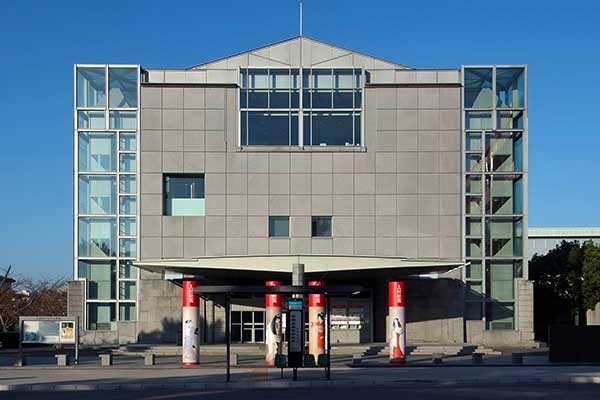
Midtown · 2–3 hours
MoMA
Come here for modern and contemporary art, famous works and a more focused museum experience than the Met. Easy to combine with Midtown sights.
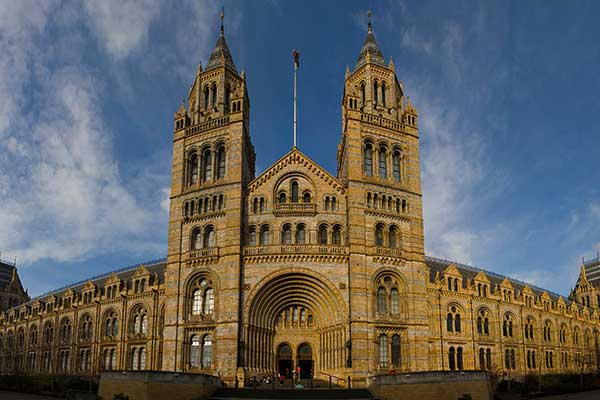
Upper West Side · 2–4 hours
Natural History Museum
Dinosaurs, space, animals and science make this one of the easiest museums to recommend for families. It is enormous, so arrive with a plan.
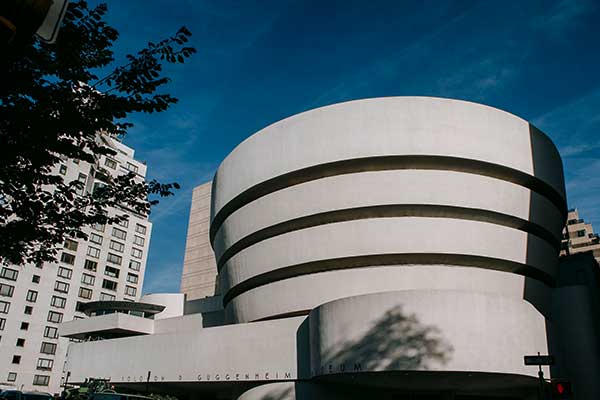
Upper East Side · 1.5–2 hours
The Guggenheim
The building itself is the attraction. Frank Lloyd Wright's spiralling architecture creates a completely different museum experience from the city's traditional galleries.
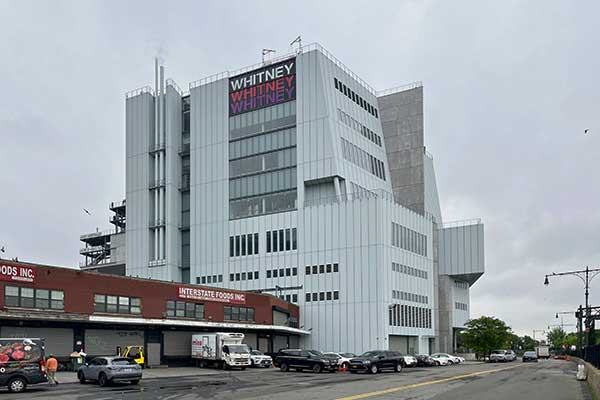
Meatpacking District · 1.5–2.5 hours
Whitney Museum
A strong choice for American art from the twentieth century to today, with outdoor terraces overlooking the Hudson and easy access to the High Line.

Lower Manhattan · 1.5–2 hours
9/11 Memorial & Museum
A deeply historical museum built at the World Trade Center site, using artefacts, testimony and personal stories to document 9/11 and its aftermath.
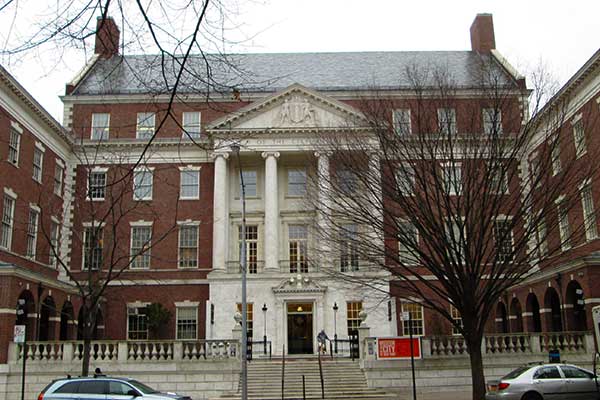
Upper East Side · 1.5–2 hours
Museum of the City of New York
One of the best places to understand how New York became New York, from its people and neighbourhoods to activism, architecture and popular culture.
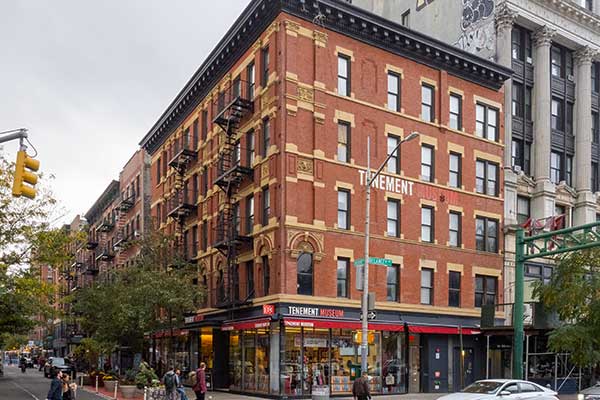
Lower East Side · 1.5–2 hours
Tenement Museum
Forget the huge galleries. This museum tells New York history through the homes and stories of immigrants, migrants and refugees who lived in the Lower East Side.
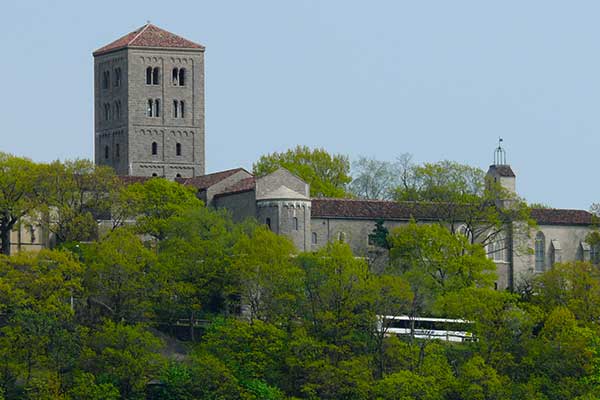
Upper Manhattan · 1.5–2.5 hours
The Met Cloisters
Medieval European art, reconstructed architectural elements and peaceful gardens inside Fort Tryon Park. It feels almost like another city.
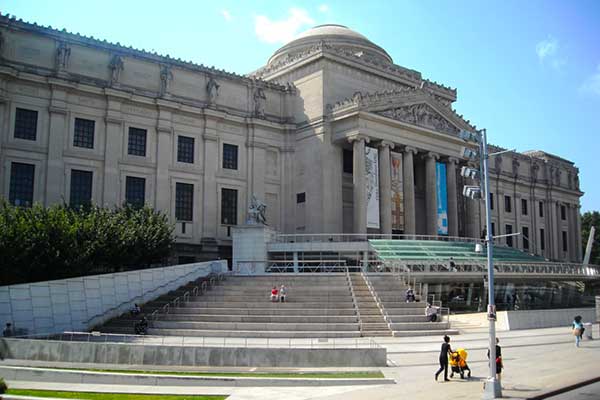
Brooklyn · 2–3 hours
Brooklyn Museum
A major encyclopedic museum outside Manhattan, with art from ancient civilisations to contemporary works and enough nearby attractions for a full Brooklyn day.
The Metropolitan Museum of Art — best overall
If you only have time for one museum in New York, The Metropolitan Museum of Art is the easiest place to start. The Met is not simply an art museum — it is a journey through around 5,000 years of human creativity, with collections covering everything from ancient Egypt and Greece to European paintings, Asian art, Islamic art, armour, fashion and modern works.
That scale is both its greatest strength and its biggest problem. You cannot realistically "see The Met" in an afternoon. You can, however, have an excellent afternoon there if you stop trying to see everything.
For a first visit, choose two or three areas before you arrive. The Egyptian galleries are a classic starting point, while the European Paintings galleries contain some of the museum's most famous works. The American Wing is another excellent choice if you want to understand the development of American art and design.
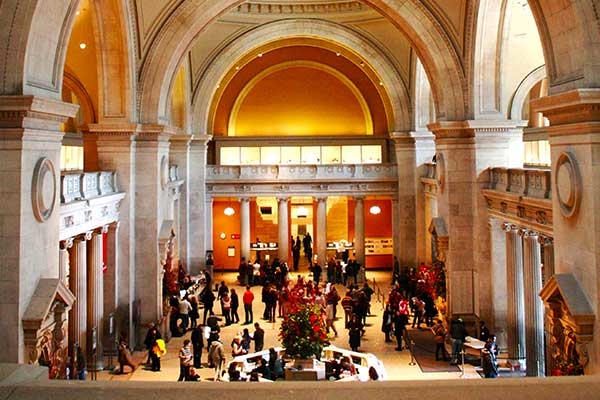
The building itself deserves attention too. The Great Hall, the grand staircase and the rooftop views in the warmer months are part of the experience. And because the museum sits directly on Fifth Avenue beside Central Park, it is easy to combine with a walk through the park afterwards.
Don't make this mistake
Don't arrive at The Met without deciding what you actually want to see. The museum is too large for a spontaneous attempt at "everything". Pick a few departments, see them properly, then leave. You can always come back on another trip.
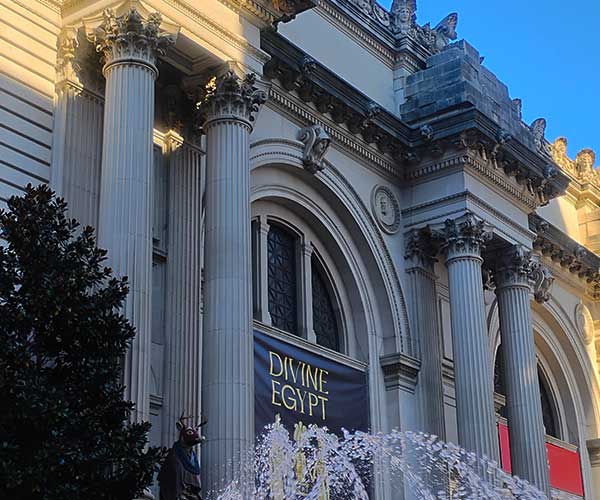
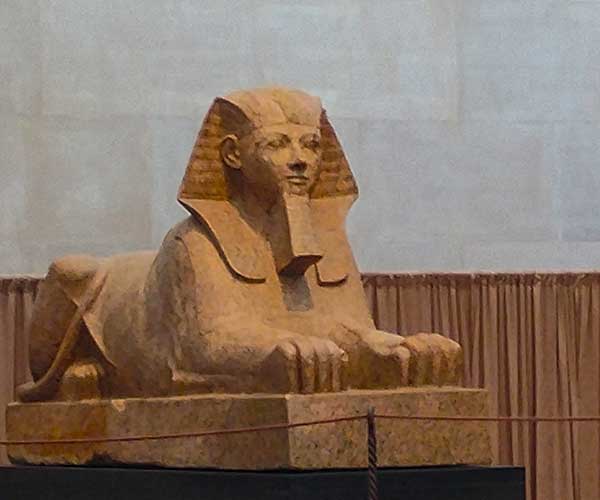
The Met's scale is part of the experience — but planning your route makes a huge difference.
How much does The Met cost?
General admission for adults is currently $30. New York State residents and students from New York, New Jersey and Connecticut can pay what they wish under the museum's admission policy, while children aged 12 and under enter free. Admission includes access to exhibitions and same-day entry to both Met locations.
The Met — Key Facts
- Adult admission$30
- Time to allow2–4 hours minimum
- Location1000 Fifth Avenue · Upper East Side
- Best forArt, history, architecture, first-time visitors
- Children 12 and underFree
- ClosedWednesday
MoMA — best for modern and contemporary art
The Museum of Modern Art is the New York museum to choose when you want modern art without spending half a day wandering through thousands of years of history.
MoMA's collection includes some of the names that dominate any introduction to modern art — Picasso, Van Gogh, Monet, Matisse, Warhol and many others — but the museum goes far beyond a collection of famous paintings. Photography, film, design, sculpture and contemporary practices all have a place here.
The advantage for travellers is its location and scale. MoMA is in Midtown, close to Rockefeller Center, St Patrick's Cathedral, Fifth Avenue and Times Square. It works extremely well as part of a busy sightseeing day.
Allow around two to three hours. If you're particularly interested in modern art, stay longer. If you're not, you can still have a satisfying visit by focusing on the major collection galleries and a temporary exhibition.
Good to Know
MoMA admission currently costs $30 for adults, and tickets include all galleries and special exhibitions. The museum also offers free admission to children aged 16 and under. Check the current opening hours before visiting, particularly if you want to use its later Friday opening.
What should you see at MoMA?
If this is your first visit, look for Van Gogh's The Starry Night, Picasso's Les Demoiselles d'Avignon, Matisse's The Red Studio and works by Warhol. But don't spend the entire visit hunting for famous names. Some of the most interesting parts of MoMA are the galleries where photography, graphic design, film and contemporary art sit alongside each other.
American Museum of Natural History — best for families
The American Museum of Natural History is almost the opposite of MoMA. Instead of paintings and sculpture, you get dinosaurs, fossils, mammals, ocean life, human cultures, meteorites and the universe. It is one of those New York attractions that can easily consume an entire morning — especially if you're travelling with children.
The dinosaur halls are the obvious crowd-pleaser, but the museum's strength is its range. The Rose Center for Earth and Space adds another dimension, while the Gilder Center for Science, Education, and Innovation provides a newer interactive experience.
General admission for visitors from outside New York State is currently $37 for adults, with higher prices for admission packages that include ticketed exhibitions. New York State residents have a pay-what-you-wish option for general admission with identification.
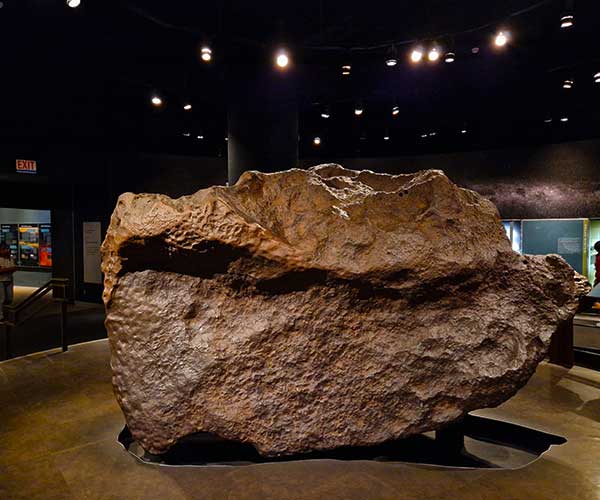
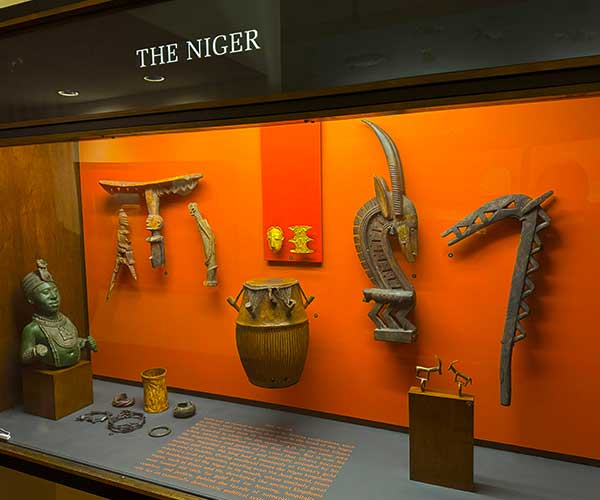
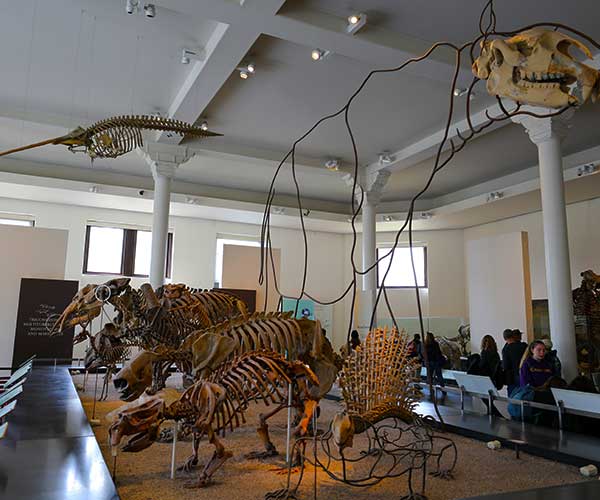
Dinosaurs, marine life and outer space make the Natural History Museum one of New York's most varied museum experiences.
Natural History Museum — Key Facts
- Standard adult admission$37 for visitors outside NY State
- Opening hoursDaily · 10:00–17:30
- Time to allow2–4 hours
- LocationCentral Park West · Upper West Side
- Best forFamilies, dinosaurs, science, space
- TipBuy tickets ahead for faster entry
The Guggenheim — best for architecture
The Solomon R. Guggenheim Museum is one of the few museums where the building can compete with the collection for your attention.
Frank Lloyd Wright's famous spiral structure curves upwards from the entrance, creating a completely different way of moving through a museum. Instead of a conventional sequence of rectangular galleries, visitors follow a continuous ramp around a central rotunda.
The museum's exhibitions focus on modern and contemporary art, making it a natural alternative to MoMA. But even travellers who are not serious art enthusiasts often enjoy the Guggenheim simply because the architecture is so distinctive.
Its Fifth Avenue location also makes it easy to combine with The Met. The two museums are close enough to visit on the same day, although I would not recommend doing both in full. Pick one as your main museum and treat the other as a shorter visit.
Is the Guggenheim worth visiting just for the building?
For architecture lovers, absolutely. For everyone else, check the current exhibition programme before buying a ticket. The experience changes significantly depending on what is on view, and the building itself is more enjoyable when you are interested in the art surrounding it.
Whitney Museum — best for American art and the High Line
The Whitney Museum of American Art is one of the best museums to combine with a day exploring Lower Manhattan's west side. It sits at the southern end of the High Line in the Meatpacking District, making it easy to connect art, architecture, food and one of Manhattan's most popular elevated walks.
The museum specialises in American art from the twentieth century to the present. Its collection and exhibitions give you a very different perspective from the international scope of the Met or the modernist focus of MoMA.
And then there are the terraces. The Whitney's outdoor spaces provide views across the Hudson River and Lower Manhattan, and they are one of the reasons the museum feels particularly good on a clear day.
If you're planning a first visit, allow around two hours for the museum, then walk the High Line northwards. You can continue towards Hudson Yards or exit earlier around Chelsea for galleries, restaurants and the surrounding streets.
Best Combination
Whitney + High Line + Chelsea Market is one of the easiest museum-based half-day itineraries in Manhattan. Start at the Whitney, walk north along the High Line and finish with lunch or a late afternoon stop around Chelsea Market.
9/11 Memorial & Museum — best for modern New York history
The 9/11 Memorial & Museum is fundamentally different from the art museums on this list. This is a historical museum on the actual World Trade Center site, documenting the September 11, 2001 attacks, the 1993 World Trade Center bombing, the people affected and the events surrounding and following the attacks.
The museum's collection contains tens of thousands of objects, records and first-person accounts. Its exhibitions combine large-scale artefacts with deeply personal stories, photographs and testimony.
This is not a museum I would squeeze between two casual sightseeing stops. The subject matter is emotionally heavy, and the museum itself recommends allowing at least 45–90 minutes. In reality, many visitors will want longer.
Plan This Visit Differently
The 9/11 Museum is not a quick attraction to tick off. Give yourself enough time and mental space for it. The memorial outside can be visited separately, and the surrounding World Trade Center area can easily fill the rest of a Lower Manhattan afternoon.
What else can you do nearby?
The museum is close to One World Trade Center, the Oculus, Wall Street, the Statue of Liberty ferry terminals and the waterfront. A practical route is to visit the museum first, then walk through the World Trade Center complex before continuing towards Battery Park and Lower Manhattan.
Museum of the City of New York
If you want to understand New York rather than simply look at things that happen to be inside New York, the Museum of the City of New York deserves a place on your itinerary.
Located on Fifth Avenue at 103rd Street, the museum explores the people, places and ideas that have shaped the city's identity. Its exhibitions cover subjects including New York's history, activism, culture, architecture and everyday life.
This is also one of the more manageable museums on the list. You can comfortably spend around 90 minutes to two hours here without feeling that you've barely scratched the surface.
Adult admission is currently $23, and the museum has a particularly interesting free-admission arrangement on Wednesdays. New York City residents can also pay what they can with identification.
Museum of the City of New York — Key Facts
- Adult admission$23
- WednesdayFree admission for everyone
- Time to allow1.5–2 hours
- Location1220 Fifth Avenue · Upper Manhattan
- Best forNYC history, culture and local stories
- Subway6 to 103rd Street
Tenement Museum — best for immigrant history
The Tenement Museum is one of the most memorable museum experiences in New York precisely because it doesn't feel like a conventional museum.
The institution preserves and recreates historic tenement apartments on the Lower East Side and tells the stories of immigrants, migrants and refugees who built lives in New York. Instead of walking through a huge collection at your own pace, you join a guided apartment or neighbourhood tour.
That distinction matters. You cannot simply turn up and wander through the historic apartments independently. The historic buildings are accessed through educator-led guided tours, and popular tours can sell out. Booking ahead is therefore much more important here than at a large museum where you can usually walk in and explore.
Standard adult apartment and walking tours currently cost $30, before applicable online or phone booking fees. The museum's visitor centre is at 103 Orchard Street in the Lower East Side.
Book Ahead
Choose your tour before arriving in the Lower East Side. The Tenement Museum is not a museum where you should simply show up at 3pm and expect to walk straight into the historic apartments. Tour availability determines your schedule.
Why I would choose this over another major museum
If you've already visited The Met and MoMA on previous trips, the Tenement Museum gives you something completely different. Instead of famous artworks, you get rooms, objects, neighbourhoods and individual stories that explain what everyday New York looked like for generations of newcomers.
The Met Cloisters — best for a quieter New York experience
There is a strange and wonderful moment when you realise you are still in New York.
The Met Cloisters sits inside Fort Tryon Park in Upper Manhattan and is dedicated to the art, architecture and gardens of medieval Europe. Parts of the building incorporate architectural elements from European monasteries and churches, creating an atmosphere that feels completely disconnected from Midtown skyscrapers.
The collection includes medieval paintings, sculpture, illuminated manuscripts, stained glass, textiles and the famous Unicorn Tapestries. The gardens are particularly beautiful in spring and summer.
The adult admission is currently $30, but the ticket is connected to The Met's admission system, meaning it also provides same-day access to the Fifth Avenue location. That can make the two museums an interesting combination if you are determined to spend a full day with the Met.
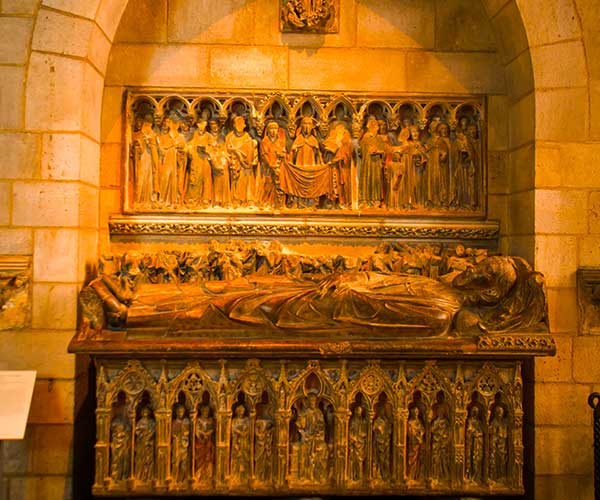
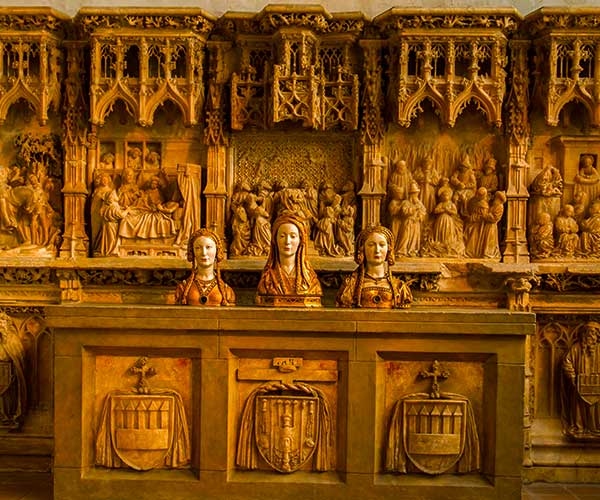
The Met Cloisters combines medieval European art with gardens and architecture in one of Manhattan's most unexpected settings.
Getting there takes longer than reaching most Manhattan museums, but that's part of the appeal. Take the A train to 190th Street and walk through Fort Tryon Park, or combine the visit with northern Manhattan rather than treating it as a quick stop between Midtown attractions.
Brooklyn Museum — best for a different side of NYC
The Brooklyn Museum is one of the city's major encyclopedic museums and a useful reminder that New York's museum scene does not end at the Manhattan border.
Its collection ranges across ancient Egyptian art, African and Asian art, European painting, American art, decorative arts and contemporary work. The museum's scale makes it a good option for travellers who want a broad collection without simply repeating the same Manhattan museum circuit.
The location is particularly useful for a Brooklyn day. The museum sits next to Prospect Park and the Brooklyn Botanic Garden, making it possible to combine culture and green space without crossing back and forth over the East River.
For a first visit, allow two to three hours. If you are building a full Brooklyn itinerary, you can comfortably spend the morning around the museum and park before continuing towards other neighbourhoods.
Full comparison: New York museums at a glance
| Museum | Time to allow | Approx. adult admission | Best for | Location |
|---|---|---|---|---|
| The Met | 2–4+ hours | $30 | Art, history, first visits Best overall | Upper East Side |
| MoMA | 2–3 hours | $30 | Modern and contemporary art | Midtown |
| American Museum of Natural History | 2–4 hours | $37 | Families, science, dinosaurs | Upper West Side |
| Guggenheim | 1.5–2 hours | Check current rate | Architecture, modern art | Upper East Side |
| Whitney Museum | 1.5–2.5 hours | Check current rate | American art, views, High Line | Meatpacking District |
| 9/11 Memorial & Museum | 1.5–2 hours | Check current rate | Modern history, 9/11 | Lower Manhattan |
| Museum of the City of New York | 1.5–2 hours | $23 | NYC history and culture | Upper Manhattan |
| Tenement Museum | 1.5–2 hours | $30 | Immigration and everyday history | Lower East Side |
| The Met Cloisters | 1.5–2.5 hours | $30 | Medieval art, gardens, quiet | Fort Tryon Park |
| Brooklyn Museum | 2–3 hours | Check current rate | Art, culture, Brooklyn | Brooklyn |
Practical information: tickets, timing and planning
Don't visit five museums in one trip just because you can
New York rewards variety. If you spend every morning and afternoon indoors, you'll miss the neighbourhoods, streets, parks, food and architecture that make the city what it is.
For most travellers, one major museum every day or every other day is enough. If you're particularly interested in art, you can do two in one day if they are relatively close together and you deliberately keep one visit short.
The best museum combinations by area
Upper East Side: The Met + Guggenheim. These are close enough to combine, but don't attempt full visits to both.
Upper West Side: American Museum of Natural History + Central Park. This is particularly good for families.
Midtown: MoMA + Rockefeller Center + Fifth Avenue. This is the easiest museum combination if you have limited time in Manhattan.
Meatpacking District: Whitney + High Line + Chelsea Market. One of the best half-day combinations in the city.
Lower Manhattan: 9/11 Memorial & Museum + One World Trade Center + Oculus + Wall Street. Give yourself enough time because the museum itself is emotionally demanding.
Lower East Side: Tenement Museum + Chinatown + SoHo. Book the Tenement Museum tour first, then build the rest of the afternoon around it.
Upper Manhattan: The Met Cloisters + Fort Tryon Park. This is a slower, quieter day than the typical Midtown itinerary.
Do you need to buy museum tickets in advance?
For the biggest museums, booking ahead is sensible, especially if your New York trip falls during a busy travel period. It becomes more important for timed-entry exhibitions, special events and museums built around guided tours.
The Tenement Museum is the clearest example: historic tenement buildings are accessed through guided tours and popular tours can sell out. The 9/11 Museum also has timed visitor information, so check its current ticketing system before arriving.
How early should you arrive?
For the major museums, arriving near opening time is usually the easiest way to have a calmer first hour. This matters particularly at The Met and the American Museum of Natural History, where the building can become dramatically busier later in the day.
That said, don't obsess over arriving at exactly 10:00. New York traffic, subway delays and breakfast have a way of destroying perfectly timed itineraries. Give yourself a realistic schedule and avoid booking something immediately after a large museum visit.
What should you wear to New York museums?
There is no special dress code at most New York museums, but comfortable shoes are essential. You will walk far more than you expect, especially at The Met and the Natural History Museum. A light layer is also useful because galleries can feel considerably cooler than the streets during summer.
My realistic museum strategy for a first New York trip
If I were planning a first visit to New York and had five full days, I would not try to visit all ten museums on this list.
I would choose The Met for the major art experience, MoMA for modern art, and then one of the Natural History Museum, Whitney or Tenement Museum depending on who I was travelling with and what I wanted to understand about the city.
If I had a sixth day, I'd add either the Guggenheim or Met Cloisters. And if I'd already visited the famous Manhattan museums on a previous trip, I'd head to the Brooklyn Museum or Museum of the City of New York instead.
New York has enough museums to keep you indoors for weeks. The trick isn't seeing as many as possible — it's choosing the ones that give you a different reason to understand the city. Travel notes, September 2026